Dubai Chocolate Knafeh Cups Are Worth the Sticky Mess
Aug 25, 20265 min read
Short verdict: this one earns the hype, and the homemade cup version is better than the bar for about a quarter of the price. It is also easier than it looks, which is the part the videos never make clear.
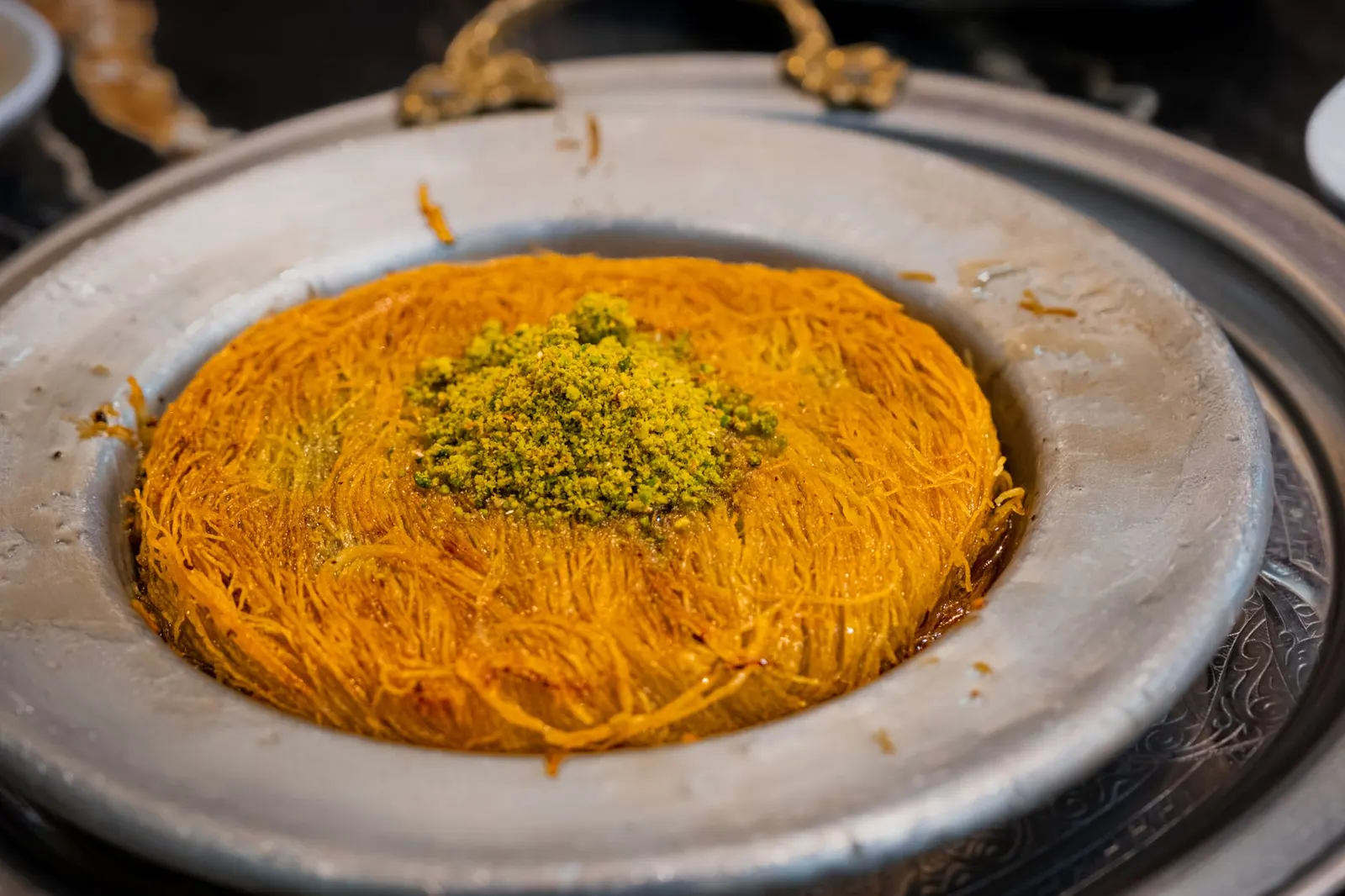
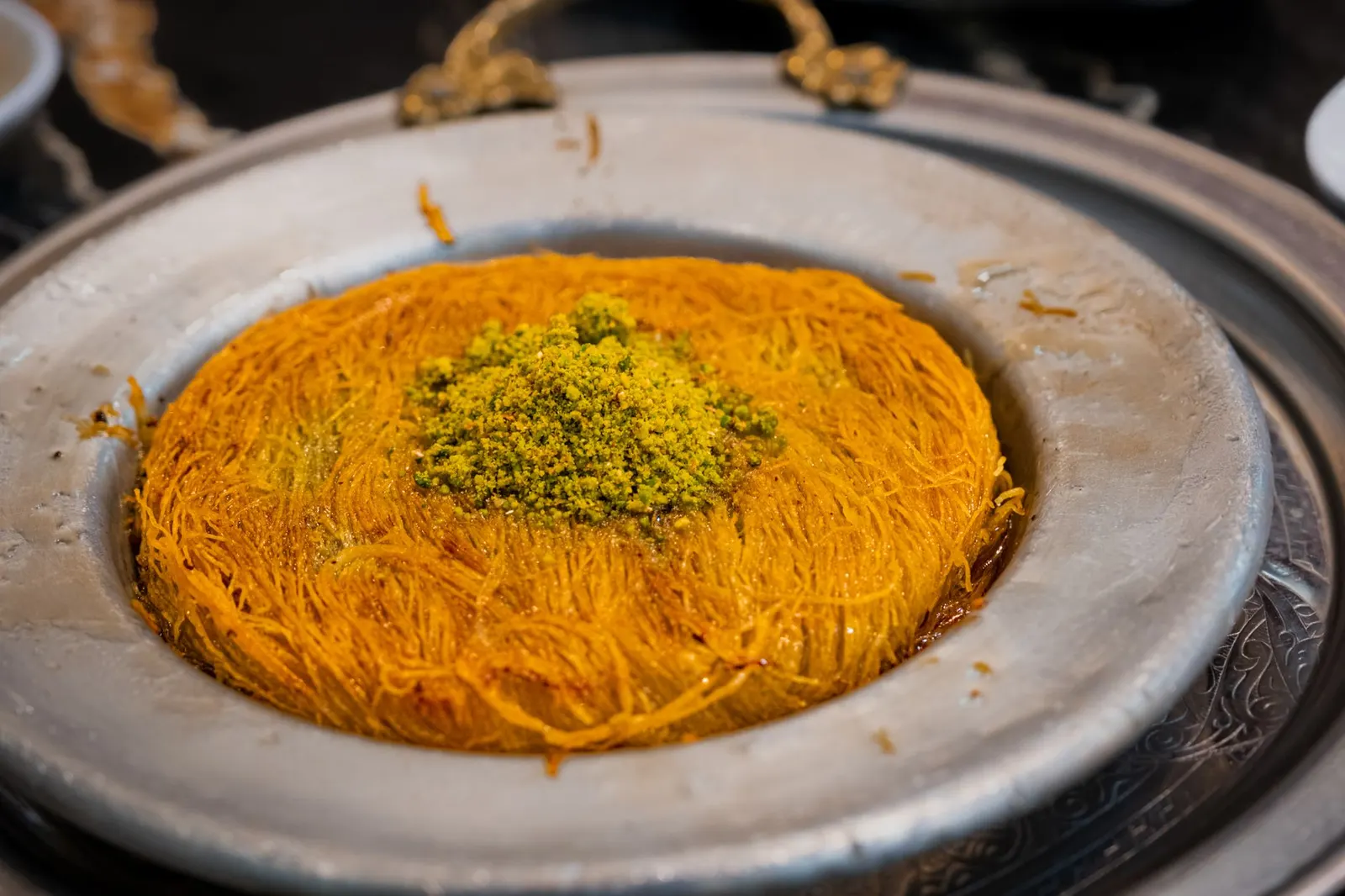
The original is a thick chocolate bar stuffed with pistachio cream and toasted kataifi, the shredded pastry that looks like tiny noodles. It went everywhere, then it got expensive, then people started making the filling at home and skipping the bar entirely. That is the cup. Same crunch, same pistachio, none of the chocolate tempering.
What you actually need
Four things do the work, and only one of them is annoying to find.
- Kataifi pastry, frozen, from a Middle Eastern or Greek grocer. It thaws in twenty minutes.
- Pistachio cream. The good stuff is mostly pistachio and sugar. If the first ingredient is palm oil, put it back.
- Tahini. Two teaspoons. It sounds wrong and it is the entire reason the filling tastes like the bar instead of tasting like sweet sand.
- Chocolate. Whatever you like eating. Supermarket milk chocolate is completely fine here.
Small cups matter too. Silicone cupcake liners, espresso glasses, a mini muffin pan. The cup is what turns this into a weeknight dessert instead of a project.
The method, which is mostly one step
Chop the kataifi into short pieces, then toast it in butter over medium heat until it is the color of a good croissant. This takes longer than you expect. Six to eight minutes, stirring constantly, and it goes from pale to perfect to burnt in about forty seconds at the end. Do not walk away from the pan.
Off the heat, stir in the pistachio cream, the tahini, and a pinch of salt. Spoon melted chocolate into the bottom of each cup, add the filling, top with more chocolate, chill for fifteen minutes. The whole thing takes less time than the trip to buy the kataifi.
How the homemade version compares
| Store-bought bar | Homemade cup | |
|---|---|---|
| Cost per serving | $8 to $20 | Roughly $2 |
| Time | Zero, once you find one | 25 minutes |
| Crunch after a day | Still crunchy | Softening, still good |
| Crunch after three days | Fine | Gone. Eat them sooner. |
| Chocolate to filling ratio | Fixed | Yours to adjust |
Can you make this without kataifi?
You can, and it will be a nice pistachio chocolate cup, but it will not be this dessert. The kataifi is the whole point. Shredded phyllo is the closest substitute because it is the same thing cut differently. Crushed cornflakes get suggested a lot online and they go soggy within the hour, so it is worth waiting a week and finding the real pastry.
Why does the filling taste dull?
Two usual causes. The kataifi did not toast far enough, or the salt and tahini got skipped. Pistachio cream on its own is sweet and one note. The tahini adds a bitter, savory edge, and that is the thing that makes people go quiet for a second and then ask what is in it.
How long do they keep?
Two days in the fridge, and they are best on day one while the crunch is still loud. To get ahead, toast the kataifi and mix the filling up to three days early, keep it in a jar at room temperature, and assemble the cups the day you want them.
Four variations that are worth it
Once the base works, the filling is a template.
- Dark chocolate shell. The original is milk chocolate and it is very sweet. A 60 percent shell with the same filling is the version adults go back to.
- Extra kataifi. Double the pastry, same amount of cream. The filling goes from spoonable to almost crumbly and the crunch lasts longer.
- Orange zest. The zest of half an orange in the filling. Pistachio and orange is an old pairing and it stops the whole thing tasting flat.
- Flaky salt. On the chocolate before it sets. Costs nothing, does a lot.
Rose water is the one to be careful with. A quarter teaspoon will make a whole batch taste like hand soap. Two drops, stirred into one cup rather than the entire bowl, is the safe way to test it.
What if you would rather just buy the bar
Fair. The original comes from a Dubai chocolatier and the real ones are made in limited runs, which is why they sell out and why the price is what it is. What turns up in supermarkets now is usually a copy from a large manufacturer, and those range from genuinely good to a thin smear of green paste inside a hollow shell.
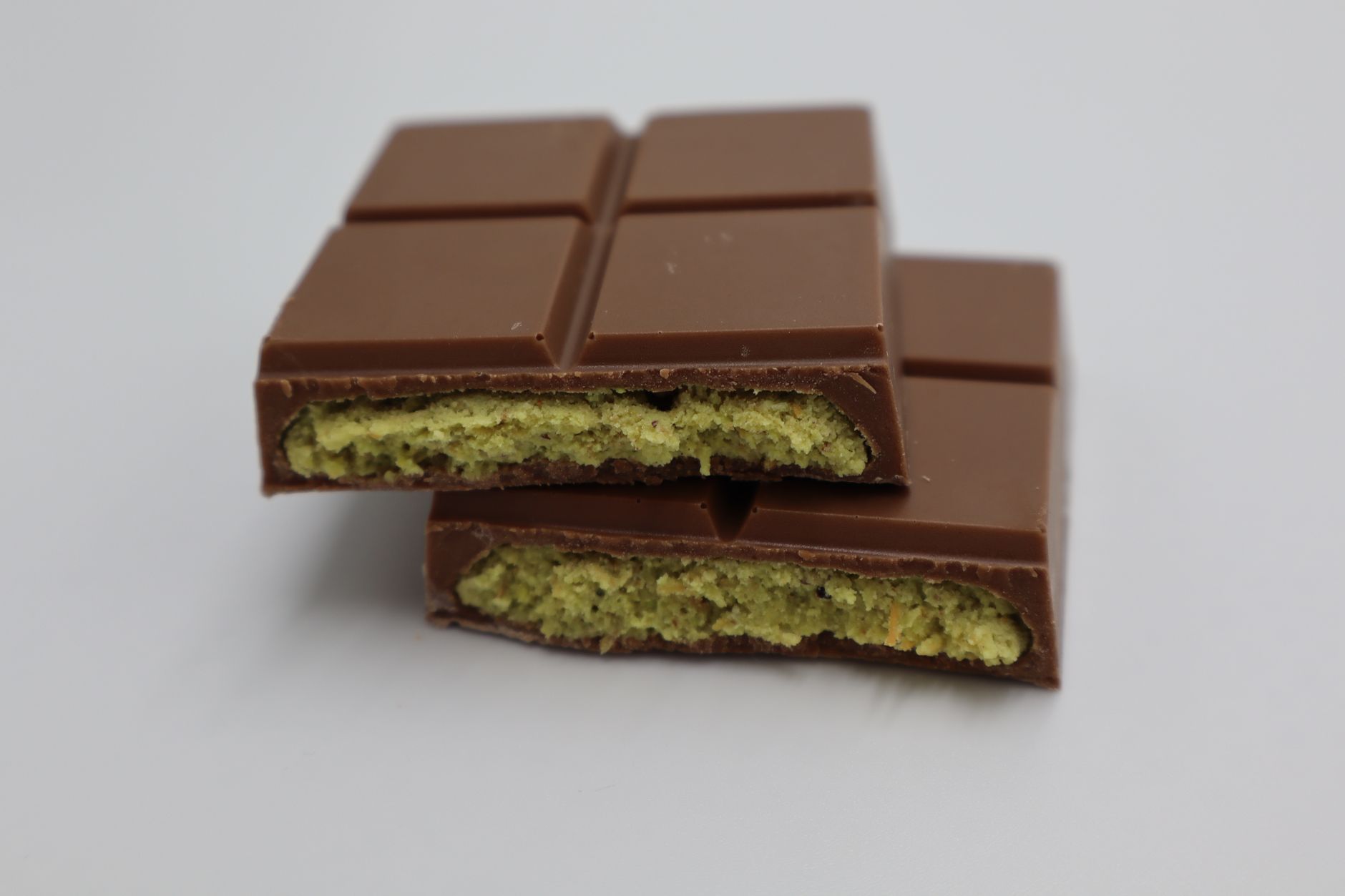
Two things to check before paying. Look at the cross section on the packaging, because a good one shows a thick filling with visible strands in it. Then check where pistachio sits in the ingredient list. If it comes after palm oil and flavoring, that is a sweet crunchy bar rather than a pistachio product.
The copies vary wildly at the same price. A nine dollar bar can be excellent and a fourteen dollar one can have a filling with the texture of frosting and a few crumbs in it, which is exactly the problem the homemade version solves.
Worth making?
Yes, and specifically worth making twice. The first batch tells you whether you like it soft in the middle or crunchy the whole way through, and the second one is the batch you actually wanted. That flexibility is the real advantage over the bar, which arrives the way it arrives and costs as much as lunch.
Some links here earn us a commission if you buy through them, at no extra cost to you. It never changes what we recommend.