Powdered Sugar Icing: Every Ratio, Fix, and Variation
Aug 25, 20269 min read
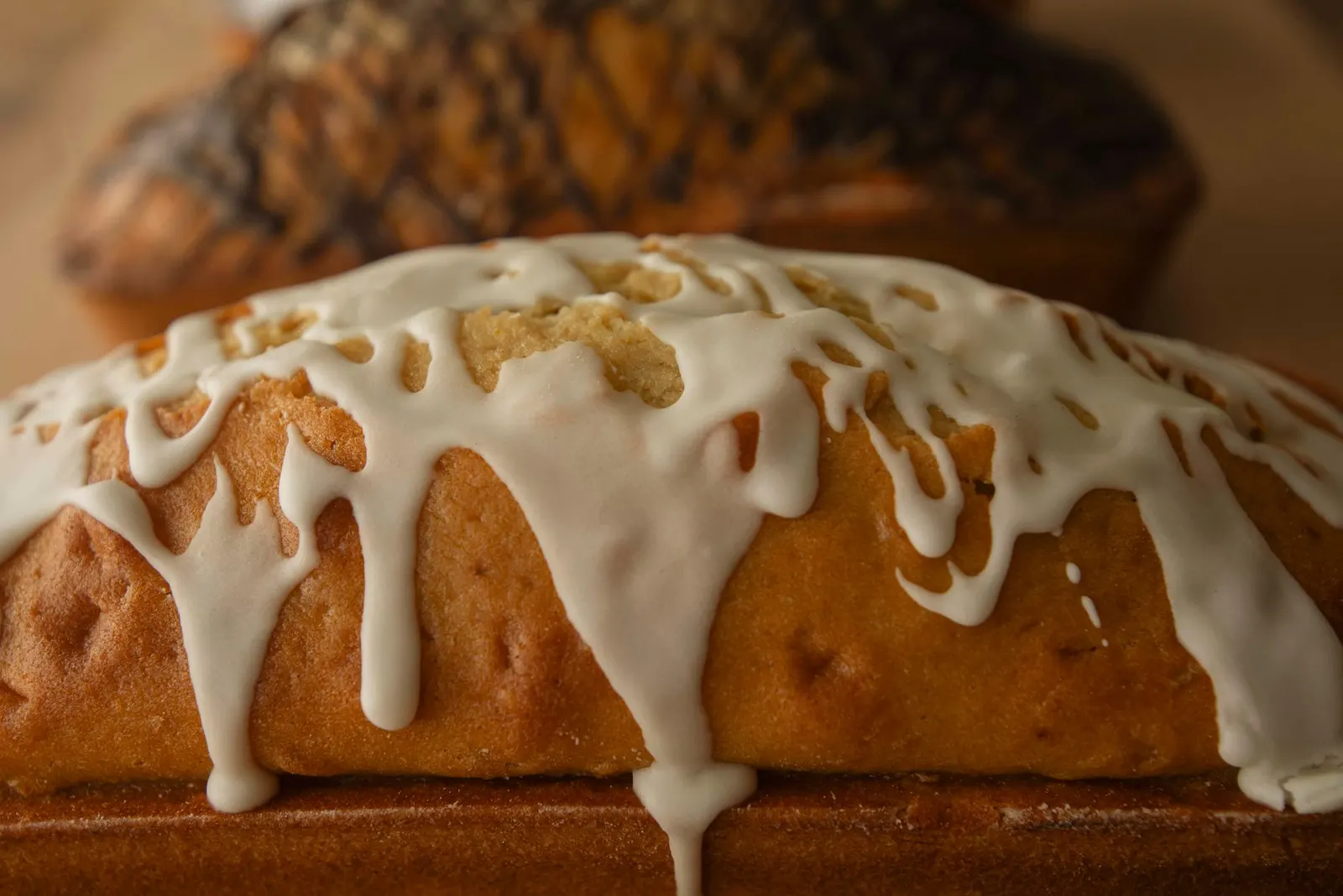
Powdered sugar icing is the fastest way to make a plain bake look finished. Two ingredients, one bowl, one whisk, no mixer, about ninety seconds of actual work. The only thing standing between you and a perfect drizzle is the ratio, and that is what most recipes get vague about.
Whisk together 1 cup of powdered sugar, 1 to 2 tablespoons of milk, and half a teaspoon of vanilla extract until completely smooth. Use 1 tablespoon of liquid for thick cookie icing, or up to 3 tablespoons for a thin drizzle. Spoon it over warm baked goods and let it set for 15 to 30 minutes until firm.
That is the whole thing. Everything below is how to bend it to whatever you are actually making.
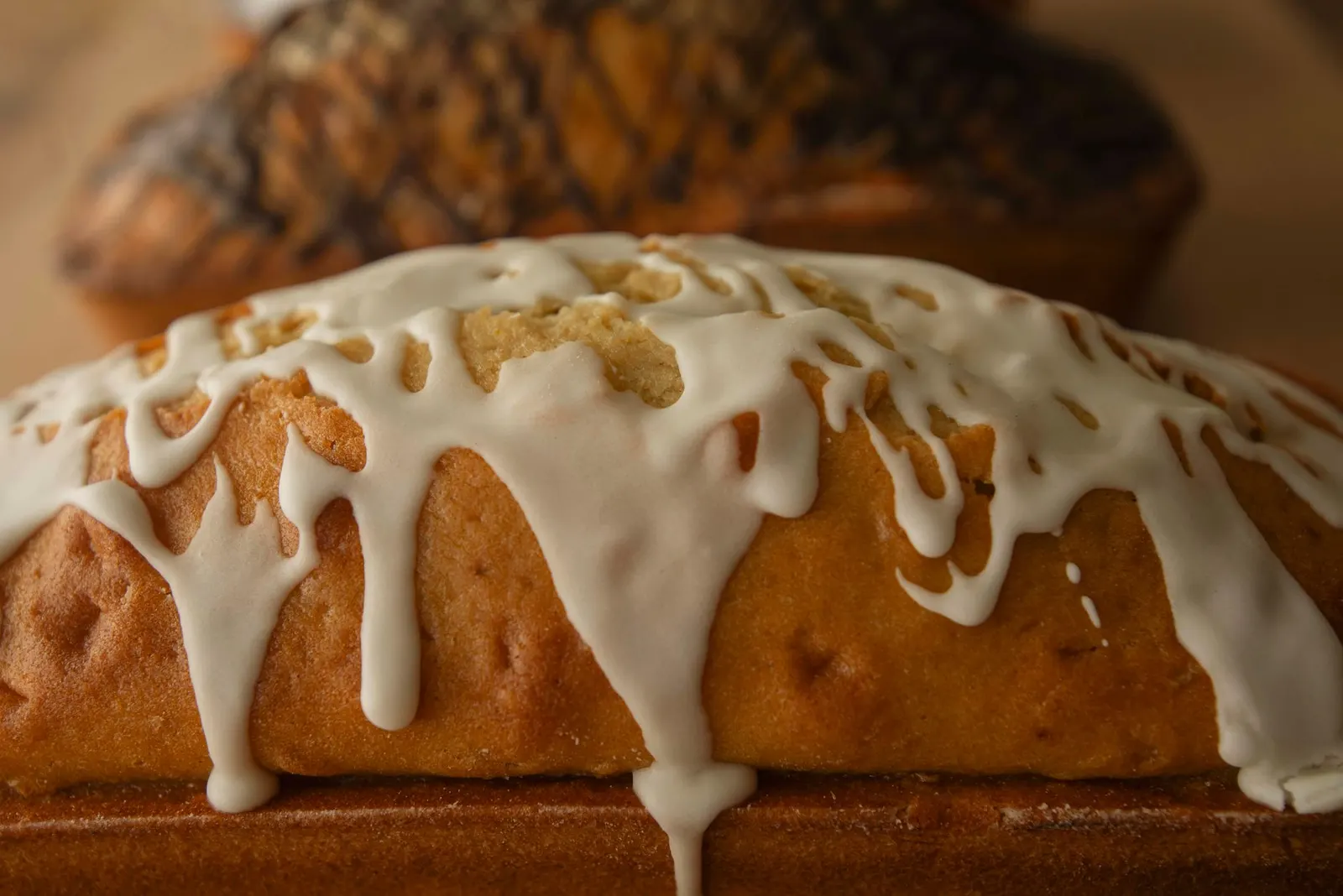
What powdered sugar icing actually is
It is powdered sugar plus a liquid. That is the entire definition. No butter, no eggs, no cooking, no candy thermometer. You will also see it called confectioners' glaze, drizzle icing, or just glaze, and they all mean the same bowl of white stuff.
The thing that separates it from frosting is fat. Buttercream is built on butter, so it stays soft and pipeable and holds a swirl. Powdered sugar icing has no fat base, so it dries into a thin crisp shell that cracks slightly when you cut it. That shell is the point. It is why a glazed donut has that faint snap and a buttercream cupcake does not.
Practical consequence: icing is for pouring, drizzling, dipping, and flooding. Frosting is for piping and spreading thick. Reaching for the wrong one is the single most common reason a bake looks wrong even though it tastes fine.
The basic recipe
Three ingredients, and the third one is optional.
- 1 cup powdered sugar, sifted if it has been in the cupboard a while
- 1 to 2 tablespoons milk, or water, or cream, or juice
- Half a teaspoon vanilla extract
Put the sugar in a bowl, add the smaller amount of liquid, and whisk. It will look impossibly dry for about ten seconds and then suddenly come together. This is normal and it is why people add too much liquid: they panic at second five and pour. Keep whisking before you add anything.
Adjust from there, and adjust in tiny increments, because this stuff swings hard. Half a teaspoon of milk visibly changes a cup of icing.
The ratio guide, thin drizzle to thick cookie icing
This is the table worth bookmarking. Every consistency below starts from the same 1 cup of powdered sugar and only the liquid changes.
| Consistency | Liquid per 1 cup sugar | Best use | Sets firm? |
|---|---|---|---|
| Thin drizzle | 2 to 3 tbsp | Cakes, quick breads, donuts | Yes, lightly |
| Medium glaze | 1.5 tbsp | Bundt cakes, scones, cinnamon rolls | Yes, moderately |
| Thick cookie icing | 1 tbsp | Sugar cookies, gingerbread | Yes, hard shell |
| Butter based frosting | 3 tbsp plus half a cup butter | Cupcakes, layer cakes | No, stays soft |
The test that beats measuring: lift the whisk and let the icing fall back into the bowl. A thin drizzle disappears into the surface almost immediately. A medium glaze leaves a ribbon that sits for two or three seconds before melting back in. Thick cookie icing holds its ribbon on top and barely moves. If the ribbon vanishes before you can see it, you have gone too far and need more sugar.
Milk, water, butter, and dairy free
The liquid changes more than you would expect for something used a tablespoon at a time.
- Milk is the default. Slightly creamy, very slightly opaque, sets to a soft matte finish.
- Water is the underrated one. Neutral flavor, and it sets harder and glossier than milk because there is no fat interfering. It is also vegan by default.
- Cream makes the richest version and the slowest to set. Good on cinnamon rolls, less good on cookies you want to stack.
- Lemon or orange juice turns it into something with actual flavor and a little acidity to cut the sweetness. Use it 1:1 with milk. Lemon on a poppy seed loaf is the obvious move.
- Oat or almond milk swaps 1:1 for dairy milk with no other change. Oat sets slightly softer.
Butter based is a different animal and belongs in the table above rather than in this list. Beat half a cup of softened butter into 2 cups of powdered sugar with 3 tablespoons of liquid and you have crossed the line into frosting. It stays soft, it pipes, and it will never give you the crisp shell.
How to use it on different bakes
Temperature does most of the work here, and it is the part almost nobody mentions.
Warm bakes soak it up. Pour a thin drizzle over a cake that is still warm and some of it sinks in, leaving a thin crackled sheen rather than a distinct white line. That is the finish you want on quick breads, bundt cakes, and cinnamon rolls.
Cool bakes keep it on top. If you want clean white lines that read as decoration, the bake has to be completely cool. Warm cookies will give you a translucent smear and a lot of disappointment.
Cookies get flooded. Use the thick ratio, spoon it into the middle of the cookie, and nudge it toward the edges with the back of the spoon or a toothpick. Let it set 20 to 30 minutes before you touch it and a full hour before stacking.
Donuts get dipped. Hold the donut upside down, dip the top straight into the bowl, lift, twist slightly, and set it on a rack. Dipping gives a far more even coat than spooning, every time.

Flavoring and coloring without wrecking the consistency
Extracts are potent and powdered sugar icing is delicate, so scale down from what a cake recipe would tell you. Vanilla at half a teaspoon per cup is the standard. Almond, peppermint, and lemon extract all want about a quarter teaspoon, because they will bulldoze everything else at half.
For color, use gel food coloring rather than the liquid kind. Liquid dye is water, so a few drops thins the icing and you end up chasing the ratio backward with more sugar. Gel adds color with almost no volume.
If you would rather not use dye at all, powders work and bring their own flavor: freeze dried strawberry or beet powder for pink, matcha for green, cocoa for brown. Add any coloring after the icing has hit the consistency you want, not before.
Troubleshooting
Four things go wrong and all four are fixable in under a minute.
- Too thin. Add powdered sugar a tablespoon at a time. Do not add it by the quarter cup unless you want to make three times as much icing as you need, which is how most people end up with a bowl of leftover glaze.
- Too thick. Add liquid half a teaspoon at a time. Yes, half a teaspoon.
- Grainy. The sugar was not sifted, or it needs more whisking. Powdered sugar clumps in storage and those clumps will not dissolve on their own. Sift first and this never happens.
- Will not set. Either too much liquid, or it went onto something too hot. Give it an hour at room temperature before deciding it has failed.
One thing that is not a problem: fine cracks across the surface after it dries. That is the shell doing exactly what it is supposed to do.
Storage and making it ahead
Covered at room temperature it keeps about two days, though it will form a skin on top. Whisk it and it comes back. In the fridge it keeps around a week, but it firms up hard, so let it come back to room temperature and re-whisk before you try to pour it.
It does not freeze. The texture breaks on thawing and no amount of whisking brings it back.
The better make-ahead move is not making the icing early at all. Measure the sugar into a jar, keep the vanilla and milk next to it, and mix when the bake comes out of the oven. It takes ninety seconds and it is always better fresh.
Can you make icing with just powdered sugar and milk?
Yes, and it is the most common version there is. One cup of powdered sugar to 1 to 2 tablespoons of milk, whisked smooth. The vanilla is a flavor upgrade, not a structural ingredient, so leaving it out changes nothing about how the icing behaves.
How do you make powdered sugar icing thicker?
Add more powdered sugar, a tablespoon at a time, whisking fully between additions. Resist adding a big scoop, because the icing thickens faster than it looks like it is going to and overshooting means adding more liquid, which means adding more sugar, and now you have a mixing bowl full of glaze and a cake that needs a quarter of it.
What is the difference between icing and frosting?
Fat. Icing is sugar and liquid, so it pours and dries to a crisp shell. Frosting is built on butter or another fat, so it stays soft, spreads thick, and holds a piped shape. If a recipe tells you to drizzle, you want icing. If it tells you to swirl, you want frosting.
How do you make powdered sugar icing without milk?
Swap in water, fruit juice, or any plant milk at exactly 1:1. Water actually sets harder and shinier than milk. Lemon juice is the best of the three if the flavor suits what you are glazing.
How long does powdered sugar icing take to set?
Touch dry in 15 to 30 minutes at room temperature, fully hard in about an hour. Thicker icing takes longer, and a humid kitchen takes longer still. Wait the full hour before stacking cookies or wrapping anything.
Why is my powdered sugar icing grainy?
Unsifted sugar, almost always. Powdered sugar compacts into small hard lumps in the bag and whisking will not fully break them down once liquid is involved. Sift before mixing and the problem disappears. If it is already made and already grainy, keep whisking, since some of it will smooth out with time.
Can you make powdered sugar icing ahead of time?
Yes, up to a week in the fridge in an airtight container. Bring it back to room temperature and re-whisk before using, because straight out of the fridge it is far too stiff to pour. Do not freeze it.
Some links here earn us a commission if you buy through them, at no extra cost to you. It never changes what we recommend. Always check current packaging for allergen information, since formulations for powdered sugar and extracts can change.